
In part one, we covered the basics of type, including headlines, standfirsts, subheads, body copy, paragraphs and bullets. In part two, we will look at alignment, font weights, colour, kerning and word spacing.
Articles, advice and musings in the world of graphic design, branding, corporate reporting and so much more.
Viewing entries tagged
branding strategy
In part one, we covered the basics of type, including headlines, standfirsts, subheads, body copy, paragraphs and bullets. In part two, we will look at alignment, font weights, colour, kerning and word spacing.
I’m not going into selecting type or any of the other aspects of typography; this blog focuses on the setting of type. These principles can be applied to documents (both print and digital), websites, social media assets – anything you produce using type.
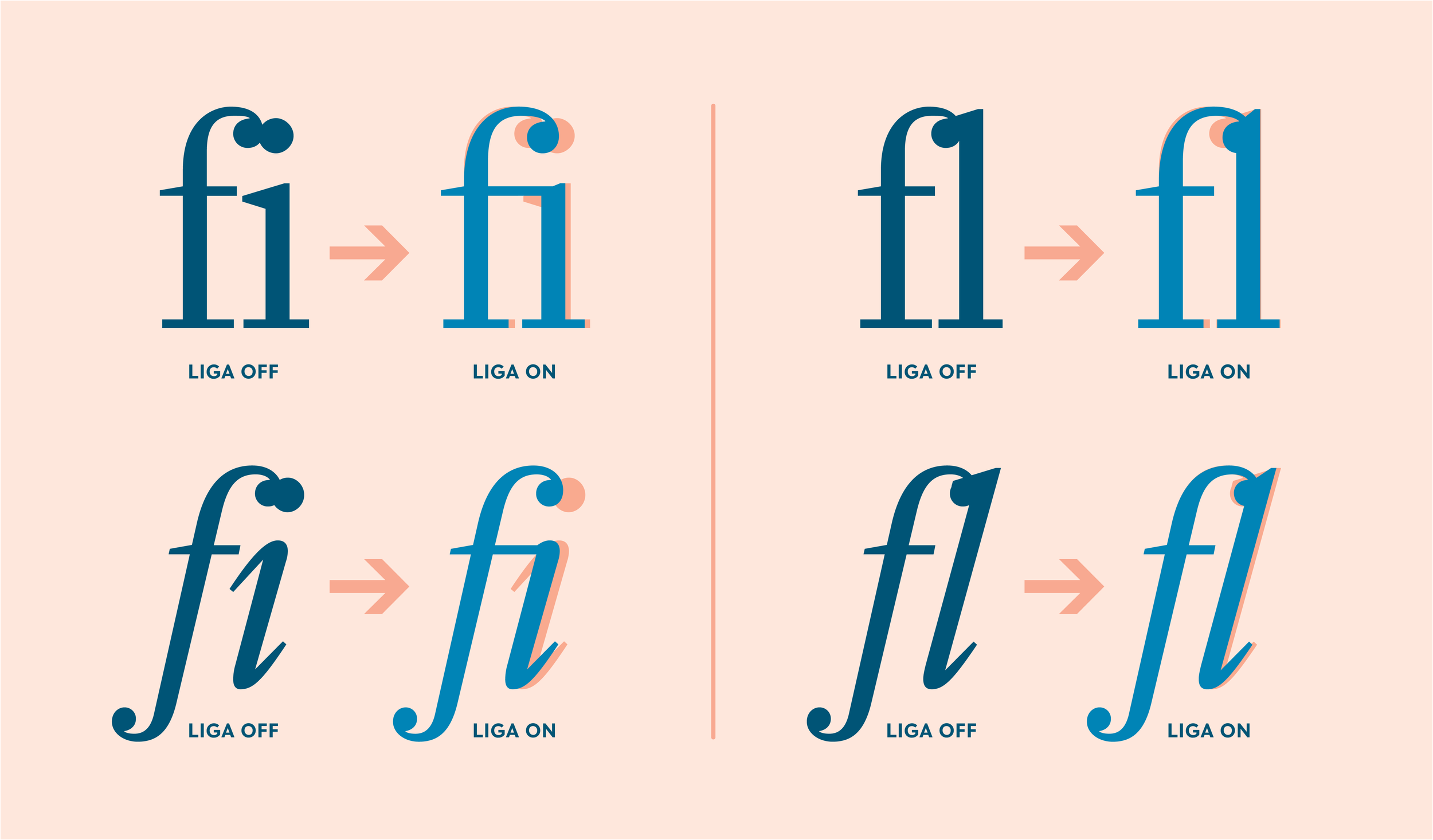
Ligatures are ‘special characters’; not all fonts have them and they are always easily accessible.
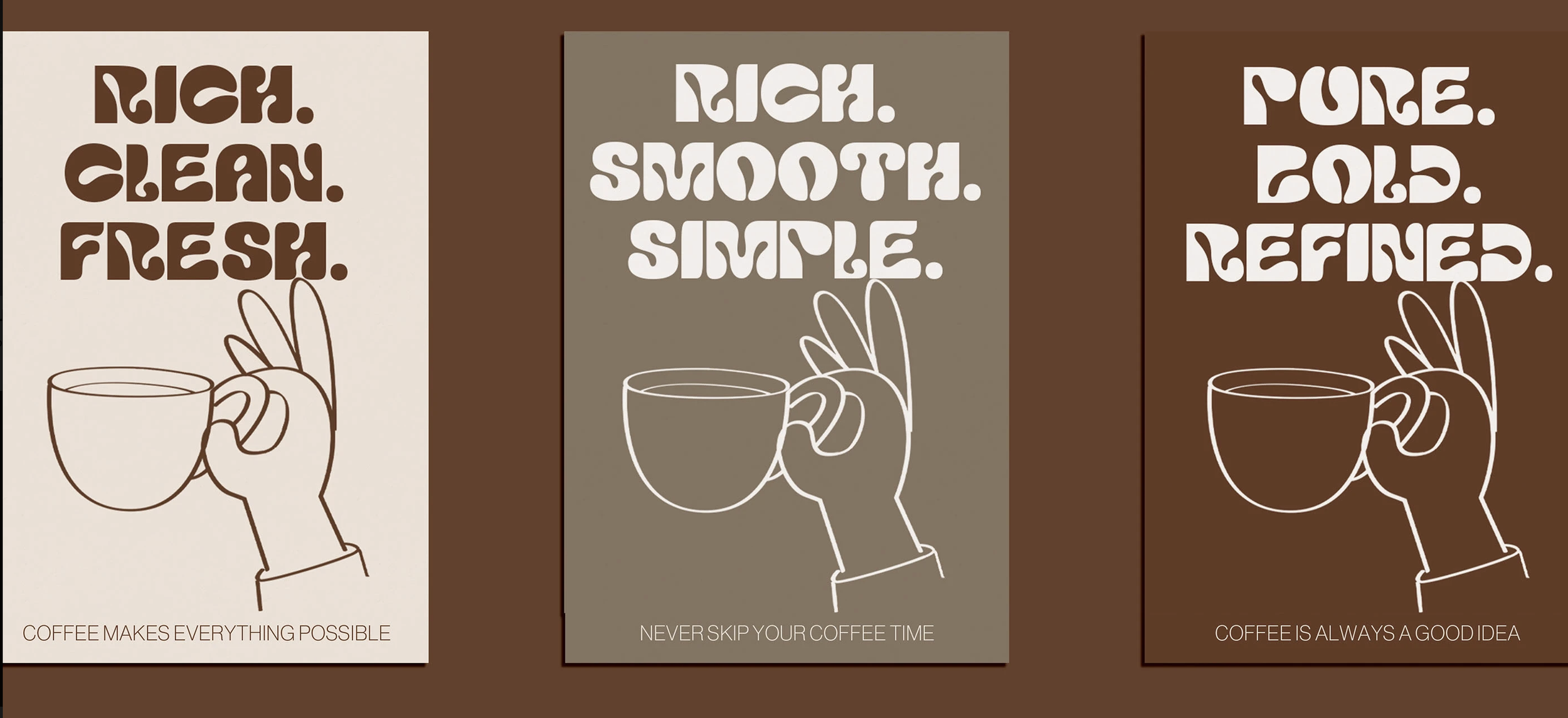
If an independent wants to set up a coffee shop and survive, it needs to eke out a distinct brand.
Designing an exhibition requires an understanding of the size and space. In this instance, it is a big space. The designer must set up the artwork with certain considerations in mind.
We set up the templates to include an indicating line that shows where the average person’s eye line falls. Another line demonstrates where the top of the plinths will sit.
BIDs operate within a defined area to enhance the district beyond what the local authority can offer.
What makes them different, to my mind, is that they are paid for by the businesses to work for the businesses, solely where they operate.
True story; an esteemed client came to us the other day with a sustainability report one of their consultants had written and presented to them. Let’s just say the client's feedback to the consultant wasn’t positive. I won’t quote the feedback as this is a family blog.
Any design agency worth its salt will bang on about the importance of being consistent on how a brand or corporate identity is applied.
It is important. Here’s why.
Launching a new company is an exciting time for everyone involved. It’s tempting to try and save money and do a bit of DIY branding – we understand that – so here are five steps you should consider to get your new brand in the best possible place.
Rebranding an organisation that has some perceived problems can present opportunities and pitfalls. All brands have inherent brand equity, good or bad.
Using three diverse examples. let’s discuss the advantages of a timeline for an annual report and stakeholder communication.
Icons, icons, icons – they are everywhere. We get requests for icons all the time; for annual reports, infographics and branding, to name a few.
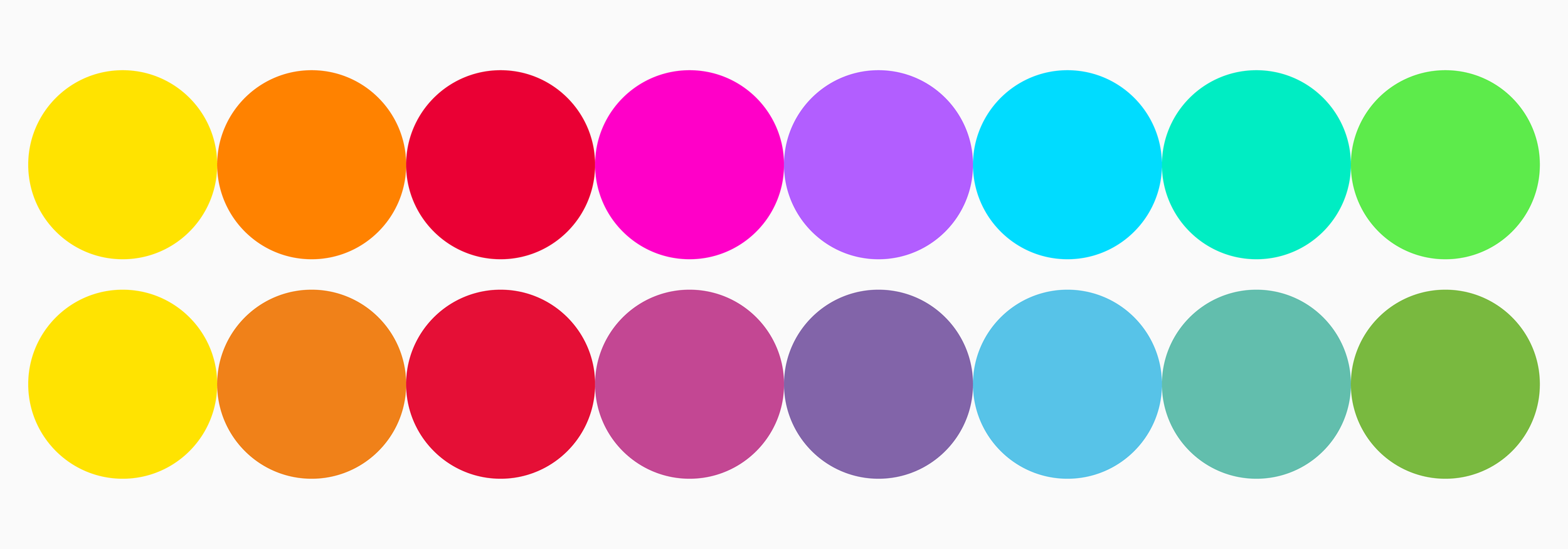
We have established that the CMYK has a smaller range of colours. So start by selecting your colours in CMYK. Get a high-quality print test sheet run, on both gloss/silk and matt/uncoated stock first. Whilst you are at it, produce a printed test sheet with all the percentage tints on it as well, it will give you a really good overview.
Bringing together a brand’s colour palette and applying them in a consistent way is one of the pillars of a strong identity. It is a big subject, here we touch on why they are important and what you might want to consider when putting a branding palette together.
When you engage a branding agency, whether it is for a rebranding exercise or a new branding project, the agency should be asking you some important questions before establishing the brief.
Some brands, like, Ford, Coca-Cola and Boots have retained the original logo design from their very conception, or thereabouts. Having said that, all of them have been through subtle branding exercises. These subtle changes are to gently modernise the identity.
Some organisations have made a more drastic change. This might mean a change in name and a complete rebrand from the logo upwards.
Branding gets used to describe a visual identity for a product or service. It often relates to a wider application, rather than just a logo and colour palette for instance.
The actual term for this part of a brand is ‘corporate identity’. A corporate identity is the visual elements a company uses to identify itself.
Style guides and brand books underpin a brand's communication framework. they affect the way a charity speak to their supporters and funders to how a brand communicates to its customers and stakeholders.
The decision to rebrand can be a difficult one for organisation that has high recognition. No matter the organisation if the brand is tired, no longer works on modern digital channels, or has simply become cringe-worthy, it may be time to grasp the nettle and seek out a design and rebranding agency.
With a publishing deal under my belt and a book launched in Europe, and let’s face it the UK being the primary market, Know Your Onions: Graphic Design (as of March 2019) has been re-printed 14 times to the tune of 56,000 copies. It has been translated into Chinese, simplified Chinese for Thailand and Japanese. I am, of course, delighted by this, but find it odd that France, Germany, Italy and cultural countries that are more aligned with the UK have not been so successful.