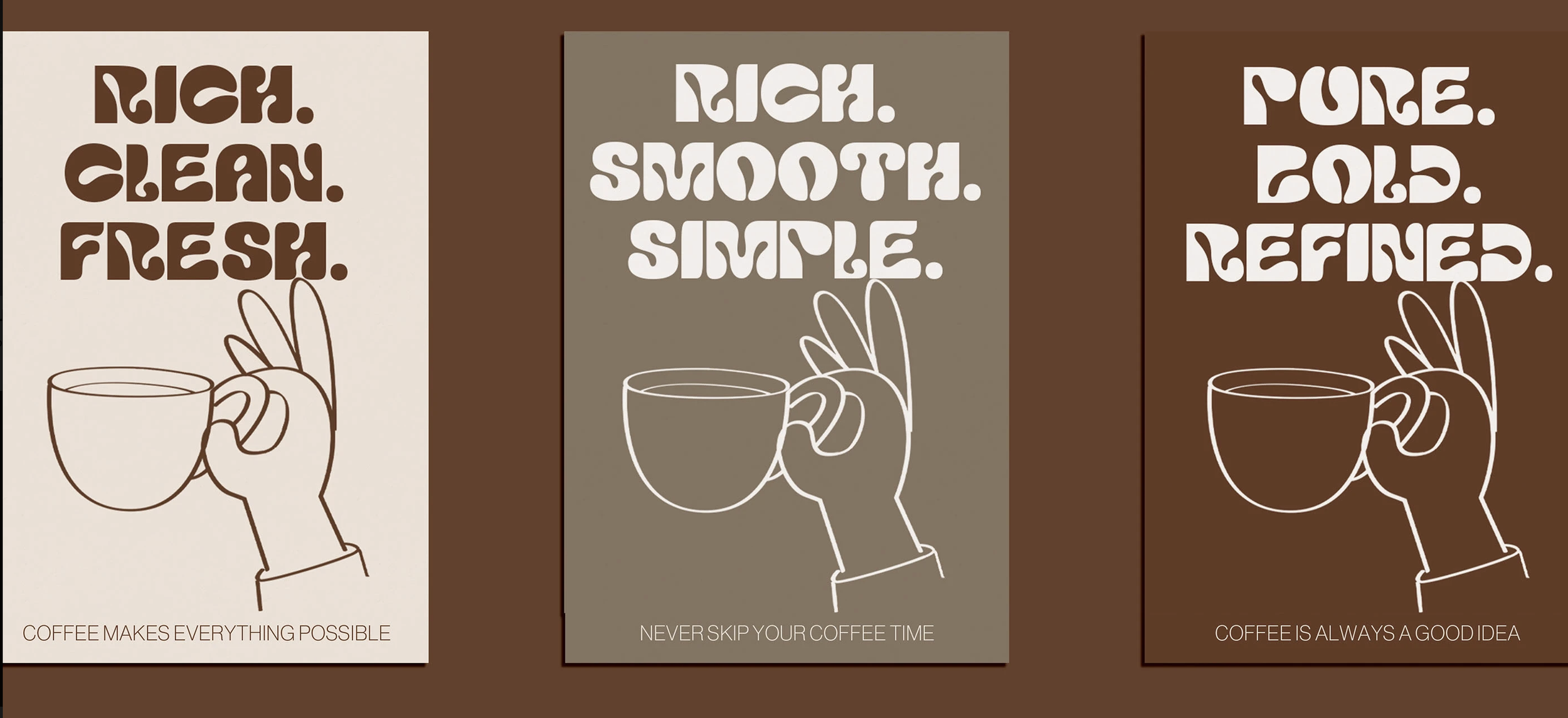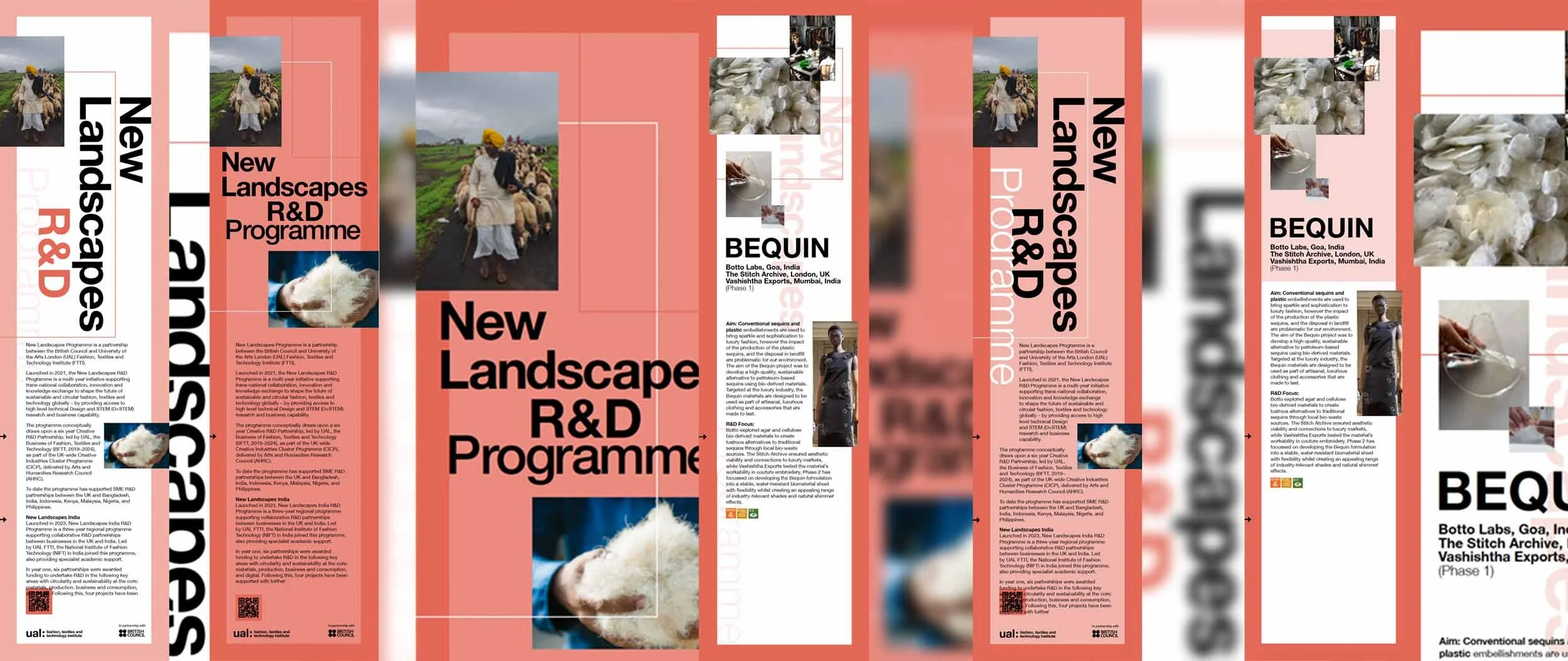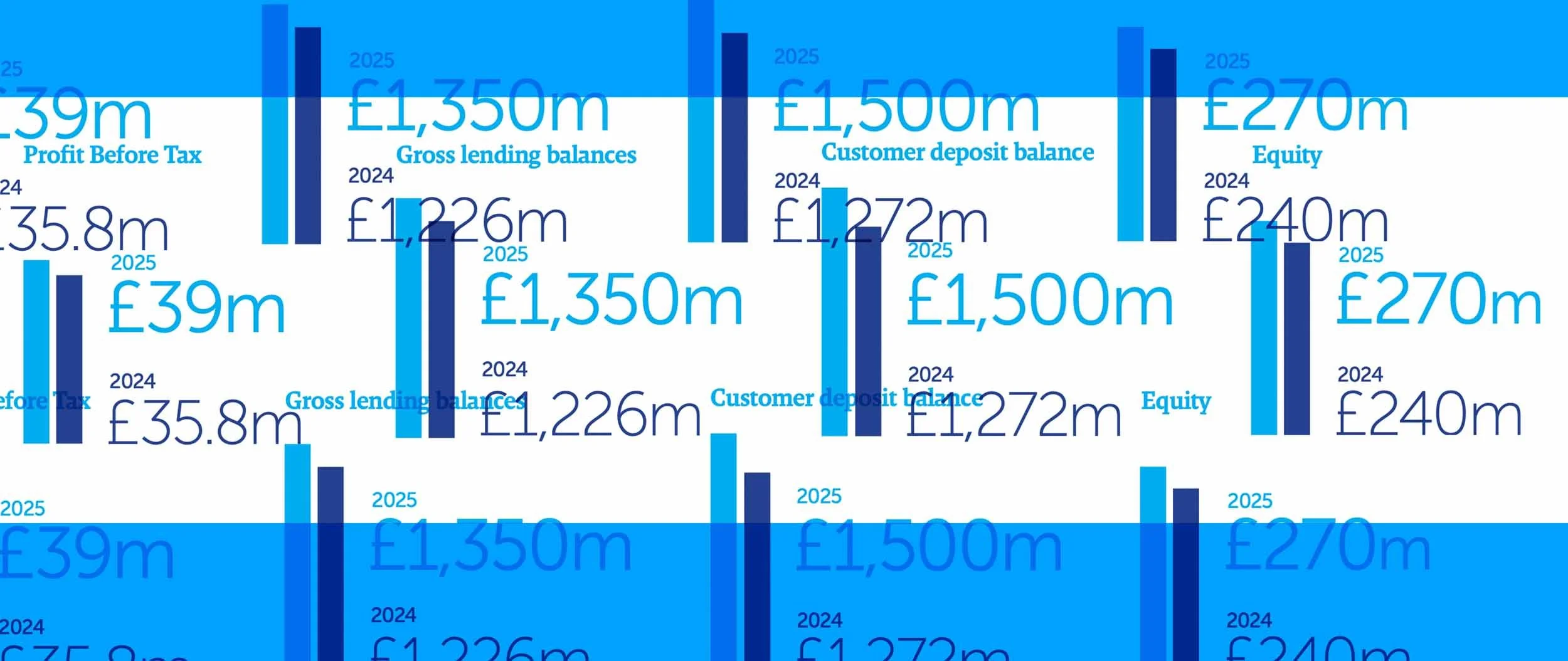
Eking out a brand’s unique qualities in a crowded market for a coffee shop

Comment

Eking out a brand’s unique qualities in a crowded market for a coffee shop

Eking out a brand’s unique qualities in a crowded market for a coffee shop

In towns and cities across the UK, our high streets are bursting with coffee shops. They range from independent ones to the big chains.

The bigger chains have very little to distinguish themselves from each other. Some do their best to leverage a more premium ‘experience’ and charge £4 for a coffee.

They (the big chains of coffee shops) use a tactic to remove competition from areas. They set up shops around the area with one key store. They surround the area, effectively swamping it and forcing the smaller independent shops out. Once they have hoovered up the market and the competition closes, they close the surrounding shops, leaving the key store in place.

All’s fair in love and war.

So if an independent wants to set up a coffee shop and survive, it needs to eke out a distinct brand.

In my area, Fitzrovia in London, Black Sheep coffee houses have managed to shoulder their way into a very crowded market in a small area.

I have my theories as to how they have done this, but before I voice my theories, let's look at some other marketing masterstrokes.

Blank Street has become a huge disruptor in the market. One thing that escapes me, I have to admit, is their brand and shop design. Blank is the word. They have eschewed the grey paint and industrial, exposed brick look. The design is more akin to a pharmacy. Maybe that is the thing that differentiates Blank Street from the competition. I don’t know.

What I do know is their social media campaigns are magnificent. The demographic targeting, engagement of ‘celebrity’ influencers and their special events and offers mean the queues down Goodge Street cause the traffic to stop.

Another reasonably new entrant into the market is Harris + Hoole. On the face of it, this company is owned by Jed Harris and Henry Hoole, two tattooed hipsters selling coffee and bites. But no. This is a masterstroke by Tesco because they are the hipsters behind this brand. They have copied the independents and shaved off a tad in cost. Genius.

Currently, two can be found in Fitzrovia, and I suspect there will be more soon.

So, what would I do if a coffee shop wanted to establish a foothold in a saturated area and stand up to this onslaught? This is what I reckon I'd advise them to do.

Naming

I think this is as important as the product offering. I suspect Black Sheep’s name comes from the phrase ‘black sheep of the family', which means someone who doesn't quite fit in. That is a great premise. The logo, not so much.

Starbucks, genius. Costa, pedestrian. Harris + Hoole, copycat. In fact, using any two names together, unless you were established in the 1800s, is generally a bad approach.

We’ve got one coffee shop in our area called ‘Kiss the Hippo’, which to me sounds a little, well, oddly inappropriate.

So a name is vital for success, is the first port of call for a successful brand. For goodness' sake, don’t include ‘artisan’ or ‘coffee’.

Branding

Uniqueness, simplicity and clarity first. Then inject personality and attitude. Attitude is a key thing when engaging with consumers. If we did a brand positioning exercise, we’d put Starbucks above Costa and Greggs. Well, Greggs is Greggs.

When designing a logo for a coffee shop, it should go without saying it has to look good on a cup, a sandwich sticker and the sign above the shop.

Fortune favours the bold, which is why Starbucks Mermaid is so good and Costa's isn’t. They basically sell the same things, but Starbucks inject a bit of glamour into the whole affair.

I think it’s safe to say that if you have a coffee cup, bean, spiral (also used by carpet sellers) or steam in your logo design, it’s rubbish. 

Interiors

We are all familiar with the exposed brick and pipework, everything painted grey. Please stop painting everything grey. 

I have already said I don’t get Blank Street’s lack of identity and their optician/pharmacy-like interiors. But at least they are different. Of course, different doesn't always work. The general public tends to buy safely, which is why McDonald's does so well; you know what you are going to get, and it’s the same everywhere. It is the most consistent of any F&B brands.

The interior creates the experience (as does the service and staff) and is vital to the brand's success, even if the main business is takeaway.

The interior of a coffee shop is a vital part of the brand, as much as it is in unison with all the other brand elements. Familiarity is not so important with one unit. But comfort, the experience and aspirations are. However, an easy relation for future expansion should always be on your mind when designing interiors.

Counter

The counter in a coffee shop is where they proffer their ‘upsales’. This is where they tempt you with a £4 Danish or an ancient croissant. Personally, I avoid anything on display like the plague.

An interesting example in Fitzrovia is Miel. This is primarily a bakery and a very expensive one. We’re talking £7 a pastry. The place has a constant queue, the reason being that the food is fantastic. Everybody buys a coffee with their pastry. In a coffee shop, not everybody buys a pastry with their coffee. That should cause a pause for thought. Miel has a different brand proposition; it has eked out a highly successful niche.

Customer flow

The path a customer takes from entering the shop, buying what they came for (bearing in mind most things are made to order), and hopefully picking up something they didn’t come for, is vital to success.

Very few places get this right. How many times do you have to ask: ‘Are you in the queue?’, or just leave because you can’t be bothered to wait.

B Bagel has a waiting area where nobody waits, and during even the quiet times, it's mayhem.


See above: The guy with the backpack has ordered and paid, and is waiting to collect. The two people behind him are waiting to order at the till way back over there.

The design of customer flow increases sales and is often overlooked and undervalued. 

Bringing it all together

To bring all of these elements, and more, together to eke out a successful brand in a very crowded market requires creativity, vision and a certain confidence.

If nothing else, I hope this article begins to explain some of the things a new coffee shop needs to address and be unique.

Comment

Annual report design: Brief framework

Comment

Annual report design: Brief framework

A clear and comprehensive brief is the foundation of any annual report design. We use the framework below to make sure nothing is overlooked before the project starts and there is creative alignment from the outset.

Comment

Storytelling and designing the journey through exhibition design

Comment

Storytelling and designing the journey through exhibition design

Designing an exhibition requires an understanding of the size and space. In this instance, it is a big space. The designer must set up the artwork with certain considerations in mind.

We set up the templates to include an indicating line that shows where the average person’s eye line falls. Another line demonstrates where the top of the plinths will sit.

Comment

It's not about making things pretty

Comment

It's not about making things pretty

True story; an esteemed client came to us the other day with a sustainability report one of their consultants had written and presented to them. Let’s just say the client's feedback to the consultant wasn’t positive. I won’t quote the feedback as this is a family blog.

Comment

Annual Report Design: An Art Director’s View

Comment

Annual Report Design: An Art Director’s View

I introduce myself because this is a personal, as well as a professional comment on what my input on a typical annual report project entails – with all the good and bad bits.

My job has a number of factors in the annual report process. I’ll leave out the day-to-day business activities involved in keeping a 24-year-old design and marketing agency going.

Comment

5 steps for a start-up brand

Comment

5 steps for a start-up brand

Launching a new company is an exciting time for everyone involved. It’s tempting to try and save money and do a bit of DIY branding – we understand that – so here are five steps you should consider to get your new brand in the best possible place.

Comment

Annual Report Design: Photography

Comment

Annual Report Design: Photography

Photography plays a huge part in almost every annual report that Navig8 produces. Here we discuss how best to utilise photography, avoid cliches and make the most of what you might have to work with.

Comment

What Does a Graphic Design Agency Do?

Comment

What Does a Graphic Design Agency Do?

I realise this might sound like a really stupid question – but it isn’t. The question is deceptively simple, after all, we provide graphic design services, right? Right, but you may think that designing logos, brochures, annual reports – all that stuff – is all we do. But we do so much more.

Comment

Annual Report Design: Grids

Comment

Annual Report Design: Grids

With every annual report we design we devise a bespoke grid. A grid is the invisible framework that holds all the content together. It helps deliver consistency, increase legibility and improve the visual impact of the document.

Comment

Annual Report design: Kick-off meetings

Comment

Annual Report design: Kick-off meetings

Everything starts with a kick-off meeting and they can be a really useful way to define and agree on a whole host of project-related issues. The client will have their own agenda and a list of things they would like to cover, and the design agency theirs. In this article, we set out a list of questions from a design agency's perspective that will go a long way to ensuring a happy and successful annual report delivery.

Comment

Annual Report designers: specialist skills

Comment

Annual Report designers: specialist skills

There are many specialist designers, from packaging and branding to annual reports. While most designers are 'Jack of all trades' it takes particular skills to be a master of annual report design.

In this article, we detail the skills you need to 'cut the mustard'.

Comment

Annual Report costs: What to factor in

Comment

Annual Report costs: What to factor in

The cost of producing an annual report can vary wildly. We have delivered them for as little as £2k to as much as £40k. So where does your money go and what should you budget for when commissioning an annual report?

Comment