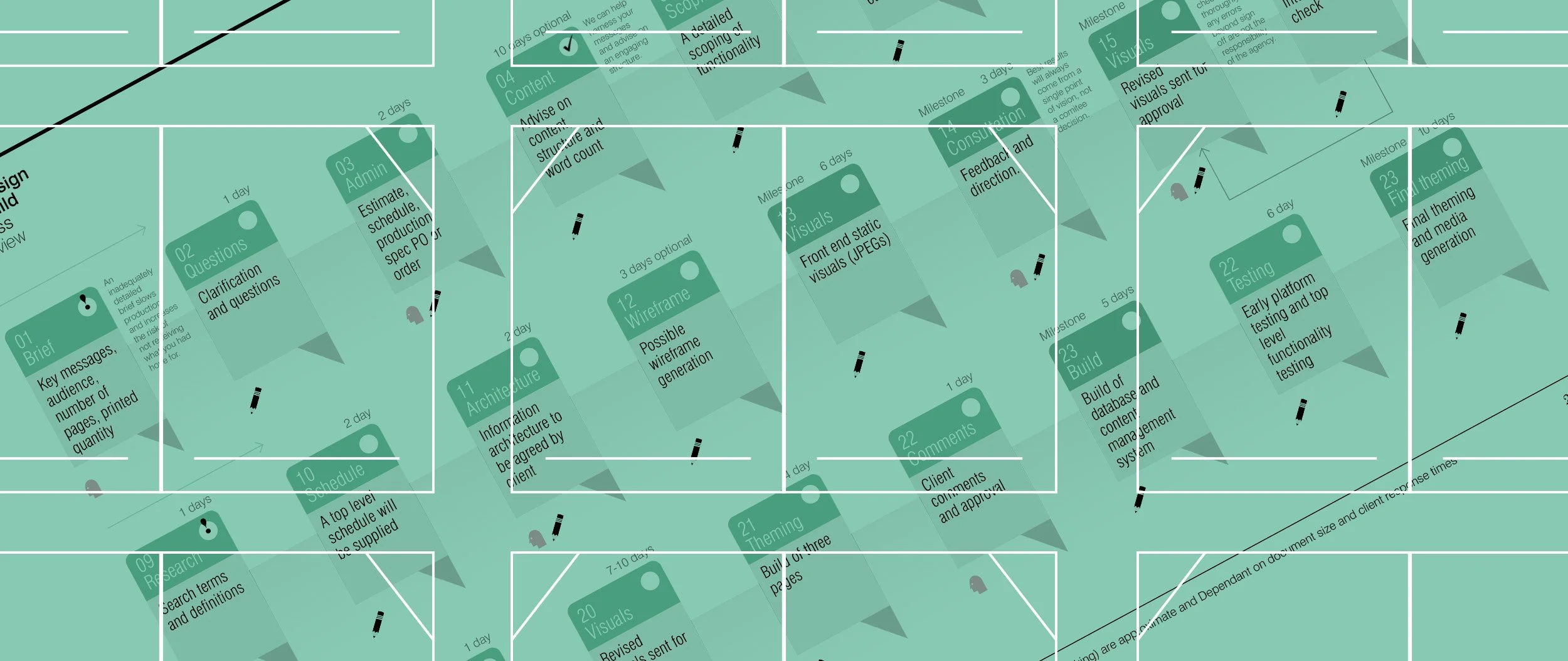

This case study talks you through the NAHL annual report process and deliverables; from concept to fulfillment and the repurposing of the content into an online digital report.

Articles, advice and musings in the world of graphic design, branding, corporate reporting and so much more.
This case study talks you through the NAHL annual report process and deliverables; from concept to fulfillment and the repurposing of the content into an online digital report.
Commissioning photography for a report, annual report or any publication does not need to be expensive and will deliver excellent value for years to come. With a little planning and organisation a day's photoshoot will make a massive difference to the finished product and ensure the imagery is real and relevant.
Not every organisation has a large photo library with high-quality, relevant and bespoke photography and even if they do, there is often a need to turn to a stock library to fulfill content that the in-house library cannot. That doesn't mean you have to end up using ‘too perfect’ people in unrealistic situations.
Why is the content supply and its format so important to delivering a successful and painless annual report? What can a client do to make sure the data and content is faithfully reproduced in the final publication?
Supplying content in a way that minimises misunderstandings, styling errors and omissions is extremely important to preserve the integrity of the report.
Here we go through the absolute ‘dos’ and ‘don’ts’.
This may sound a little demanding from a supplier, but the message here is this, what do we need from you to make the delivery of your annual report as smooth as possible, taking away any frustration (on the client side) and making what is a difficult project a bit easier.
Corporate communication means many different things. A corporate communication asset might be a humble email, a PR campaign or an annual report. In this article, we are going to try to define what the essence of any corporate communication might be. No mean feat.
We have established that the CMYK has a smaller range of colours. So start by selecting your colours in CMYK. Get a high-quality print test sheet run, on both gloss/silk and matt/uncoated stock first. Whilst you are at it, produce a printed test sheet with all the percentage tints on it as well, it will give you a really good overview.
Bringing together a brand’s colour palette and applying them in a consistent way is one of the pillars of a strong identity. It is a big subject, here we touch on why they are important and what you might want to consider when putting a branding palette together.
Establishing a theme for an annual report delivers a far more engaging solution for stakeholders. Discovering what that theme for the year might be is part of the process we take before we begin the creative process.
During a creative round in the studio today, an interesting question came up. We had already established with the client the year’s messaging and developed themes and potential titles for the report.
The question was ‘Should the imagery/content for the cover of the report illustrate what the organisation does, who the client’s customers are or focus on what the stakeholder and investors want to see?’.
The highlights section in an annual report is arguably the highlight of the entire document itself. They can make great infographics that can be drawn out of the report and be used in presentations to give a snapshot of the year’s successes.
When you engage a branding agency, whether it is for a rebranding exercise or a new branding project, the agency should be asking you some important questions before establishing the brief.
The days of printing thousands of copies of a printed annual report seem to be over. And that’s a good thing. So whilst we are all going digital with our annual reports, we need to rethink what formats we deliver them in and what that means for the readership.
To design and build an annual report micro site or one page website, you should be aware of the steps and potential issues you may come across. In this article, I will walk you through the process.
Content should be edited down to the bare minimum, bearing in mind users are unlikely to read large sections of text. The less text, the better. We will link a PDF of the full report for users to download so that they can view the full report should they wish to.
CSR (Corporate Social Responsibility) and ESG (Environment, Social and Governance) reporting, by its very nature, offer up different types of reporting to stakeholders. They both have a slightly different agenda and are becoming more and more important and sought after by potential stakeholders and potential investors.
Design agencies offer a wide range of services these days – they have to, in order to compete. The benefit of using one agency rather than a number of specialist companies to deliver your design and marketing is that an agency that can deliver integrated services will take a holistic approach, make sure the left hand knows what the right hand is doing and save the client money.
When designing and delivering ESG (Environment, Social and Governance), Annual Reports, White Papers or Strategy documents, there are alternative formats that may suit your audience better than the traditional A4 PDF. Here we discuss the merits of some of these different approaches.
Some brands, like, Ford, Coca-Cola and Boots have retained the original logo design from their very conception, or thereabouts. Having said that, all of them have been through subtle branding exercises. These subtle changes are to gently modernise the identity.
Some organisations have made a more drastic change. This might mean a change in name and a complete rebrand from the logo upwards.
Branding gets used to describe a visual identity for a product or service. It often relates to a wider application, rather than just a logo and colour palette for instance.
The actual term for this part of a brand is ‘corporate identity’. A corporate identity is the visual elements a company uses to identify itself.