
What is an Annual Report and what does it do? – Part 2
In part 1, I explained the question posed by a work experience student ‘What is an Annual Report for?’ and then went on to pick apart Google’s AI response to the same question.
I offered up a brief answer to the student and promised to give a comprehensive answer in Part 2. So here it is.
What is an Annual Report and what does it do?
This is what I told the work experience student: ‘It’s a document companies produce every year to report back to their stakeholders on the activities and finances over the last year.’
Below are more detailed answers to some questions that explain what goes into an Annual Report and why they are produced.
Why do companies produce them?
Some companies are obliged to produce an Annual Report; some choose to.
At the very minimum, a Word file needs to be submitted to Companies House. This format is convenient for the client because they can tweak it all day long right up to the very last minute without pesky designers.
But it doesn't look very good for the stakeholders or potential investors. It doesn't send out a good message.
That’s where Annual Report designers like us come in.
Who are they for?
Stakeholders. And potential stakeholders. Stakeholders are anybody who has an interest in the company and its activities and financial position. Typically, these stakeholders include the board, investors and potential investors. The latter being individuals or organisations who might be thinking of investing or even purchasing the company.
For larger organisations (the BBC, for instance), the media and government will take a keen interest in organisations in the public eye.
What do they typically contain?
CEO, CFO and Chair’s statements; this section is where the bigwigs get a chance to harp on about what they think is important to them and they think the stakeholders want to hear.
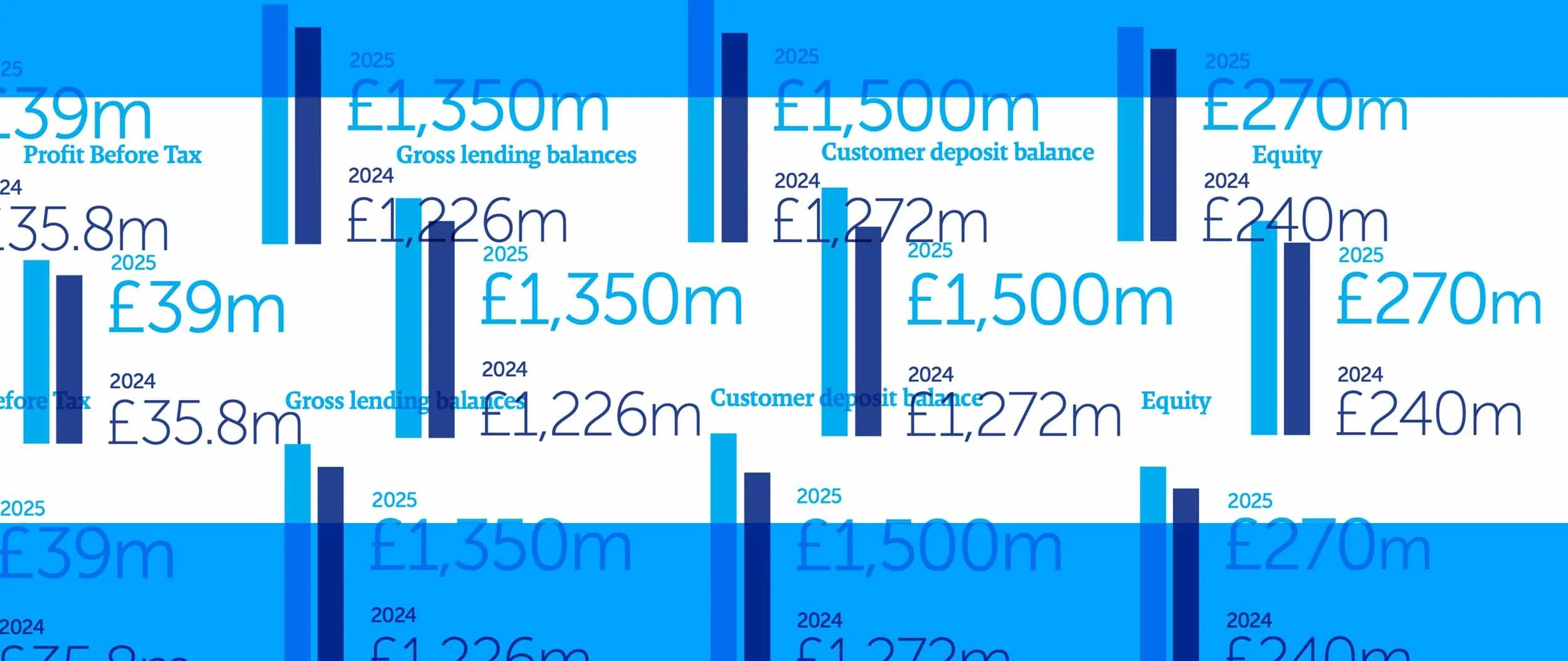
Year’s highlights: this is usually a double-page spread of top-line figures, and if done well, as an infographic, these pages can be a very powerful piece of communication that captures the good stuff and sometimes hides the bad stuff.
Strategic Report: plans the company has, how it approached last year, and the year to come
ESG report: Environment, Social and Governance is a section that explains the sustainability policy, responsible business practices and how the company is run.
CSR report: stands for Corporate Social Responsibility. Not every company has a CSR programme; however, it is becoming increasingly important.
Section 172 details the director’s responsibilities to the company
Auditor’s report; the content for this section (usually later in the project plan) comes from the auditors and cannot be changed at all, but it can be designed.
Financial statements: all the financial data to report on the position over the last year. These must be designed to a certain standard.
What makes a good Annual Report?
I can’t really comment on the content as it will depend on the individual organisation. It’s the same with the extent. We have designed both 24-page reports and reports that exceed 300 pages.
Some basic principles that make a good Annual report include:
Digital-first or print-ready
Design the report to be digital-first, and if required, can be easily repurposed to be print-ready.
Bring the data ‘to life’ with infographics, but make sure they are relevant and clear; not just window dressing.
Clear charts, tables and diagrams
Design with maximum clarity in mind, they do not need to be boring.
Photography or illustration
Strive for the highest quality images. Avoid overly abstract imagery.
Establish styles that clearly define the hierarchy of the content. Don’t underestimate the value of good typography.
Design a grid that promotes clarity and legibility. Margins and column widths make a huge difference.
I hope that answers the question. If you want to know more, just contact us.